


Throw pillows can instantly transform your living space, adding comfort, color, and personality with minimal effort. However, selecting and styling throw pillows involves thoughtful choices about size, pattern, texture, and arrangement to achieve a cohesive and polished look. This guide offers expert decorating tips and styling advice so you can elevate your home decor with throw pillows that reflect your style while enhancing your furniture.

Choosing the Right Size for Throw Pillows
Understanding common throw pillow sizes helps you create balanced and visually appealing arrangements. Standard sizes include 18x18 inches, 20x20 inches, and larger Euro pillows at 26x26 inches. Smaller sizes are ideal for accent chairs or narrow sofas, while larger pillows work well on big sectionals or beds. Coordinating pillow sizes with furniture type is essential: for example, pair two 26x26 inch Euro pillows with two 20x20 inch pillows on a queen sofa for layered comfort.
Mixing sizes adds dimension and interest, breaking monotony and creating a relaxed look. Uniform sizing, however, offers symmetry and a clean, tailored appearance. Both approaches have their merits depending on the room’s style and atmosphere.
The common rule of thumb for throw pillow sizing and placement is to use pillows that occupy roughly one-third the length of the furniture piece they adorn, placed in odd numbers for natural appeal. This guideline ensures pillows complement rather than overwhelm your seating or bedding.
For example, a typical sofa might carry three or five pillows combining sizes like 20x20 inches and 12x22-inch lumbar pillows for contrast and support. Balancing size, quantity, and scale creates inviting and stylish seating areas that feel both comfortable and curated.
Explore options like the elegant Battersea Throw Pillows for a refined size and shape that suit coastal minimalist and clean design aesthetics.
Mastering Pattern Mixing with Throw Pillows
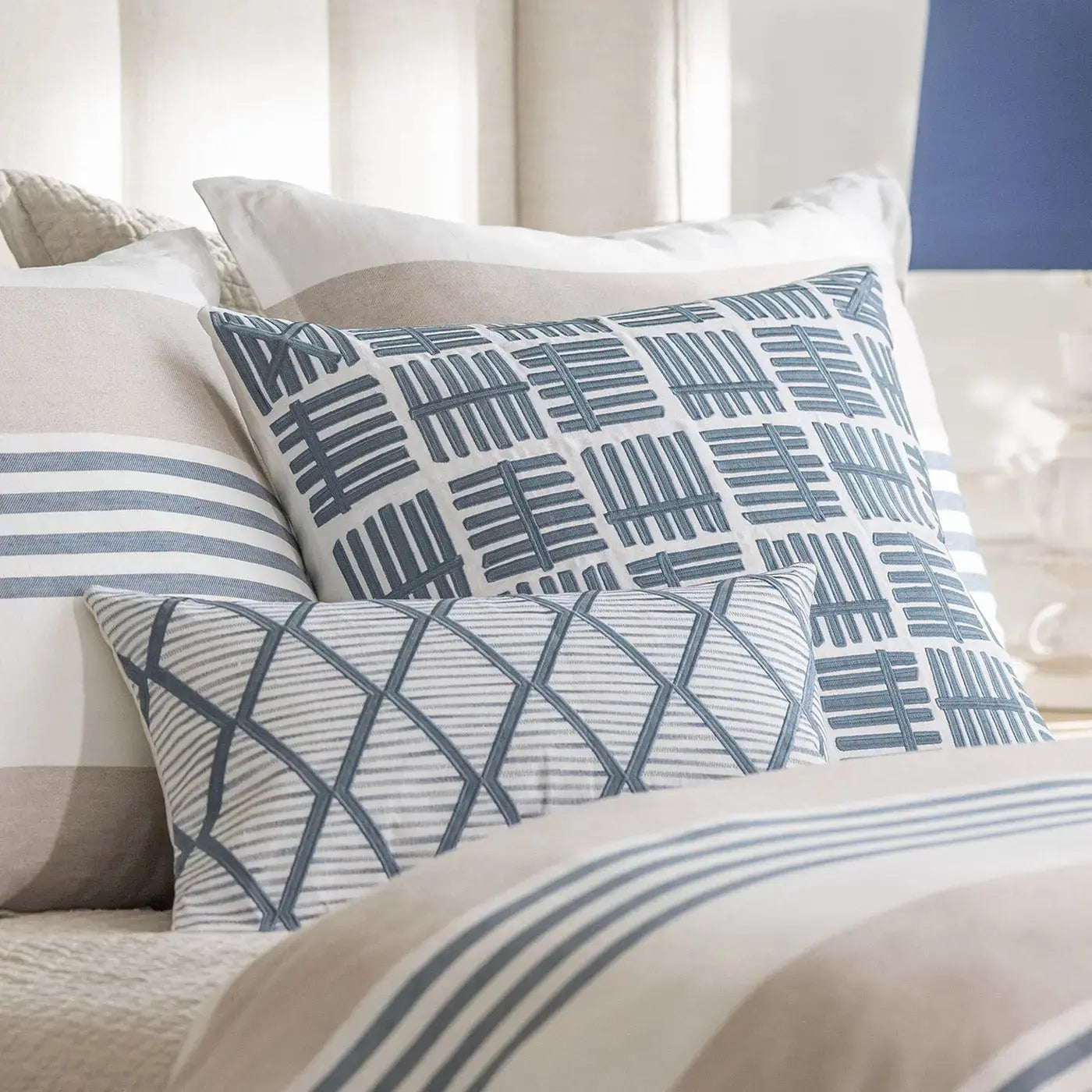
Pattern mixing is a powerful tool to bring personality and depth to your pillow collection. Start by understanding pattern scale: bold, large-scale prints create focal points, while subtle textures or small patterns provide balance and sophistication. Combining these varying scales prevents visual clutter and creates harmony.
Balancing colors is critical when mixing patterns. Choose a coherent color palette to link all designs visually. For instance, pairing a vibrant blue stripe pillow with ecru accents complements neutral tones while adding energy, as seen in pillows like the Grant Indoor-Outdoor Pillow.
Use solids and neutrals to anchor the grouping, letting bolder patterns stand out while maintaining cohesion. A base of neutral-colored pillows with a few patterned highlights can elevate the entire look without overwhelming the space.
Avoid common mistakes such as mixing too many competing patterns or colors that clash. Instead, aim for a curated combination where each pillow complements the other, enhancing overall style harmony.
Refresh your collection with versatile patterned pillows like the Hana Pillow and Suri Lumbar Pillow to master pattern coordination indoors or out.

Seasonal Decoration Tips Using Throw Pillows
Switching out throw pillow covers each season is an easy and effective way to refresh your room’s mood and vibe without a costly makeover. Spring calls for soft pastels and floral textures, while summer invites vibrant hues and light, breathable fabrics.
In fall, consider warm earth tones like rust, mustard, and deep greens paired with cozy textures such as velvet or wool blends. Winter lends itself to jewel tones, festive patterns, and plush fabrics that create a warm and inviting atmosphere for holiday gatherings.
For holidays, incorporate themed pillows sparingly—think subtle snowflake embroidery or tasteful metallic accents—so seasonal decor enhances your space without overwhelming your everyday style.
To maintain throw pillow longevity, store off-season pillows in breathable fabric bags away from direct sunlight and moisture. This practice preserves fabrics and ensures your pillows stay fresh and vibrant year after year.
Mixing Textures and Fabrics for Visual Interest
Throw pillows come in various fabrics such as cotton, silk, linen, velvet, and eco-friendly materials filled with natural or recycled fibers. Incorporating different textures adds depth and tactile appeal to any setting.
Combine smooth fabrics like silk or fine cotton with plush velvets or woven jacquards to create interesting contrasts. This layered textural mix shortens the visual distance between pillows and furniture surfaces, making the entire arrangement more inviting.
Selecting durable fabrics suited to each room's use is crucial. For example, weather-resistant pillows like the Gideon Indoor Outdoor Pillows and Bevin Weather-Resistant Pillow work well in high-traffic or outdoor areas, maintaining comfort and style under varying conditions.
Choose luxurious cotton and silk blends, as seen in the Gia Pillow or Gia King Pillow, for bedrooms or low-traffic spaces to balance elegance with comfort and longevity.
Placement and Arrangement Strategies for Throw Pillows
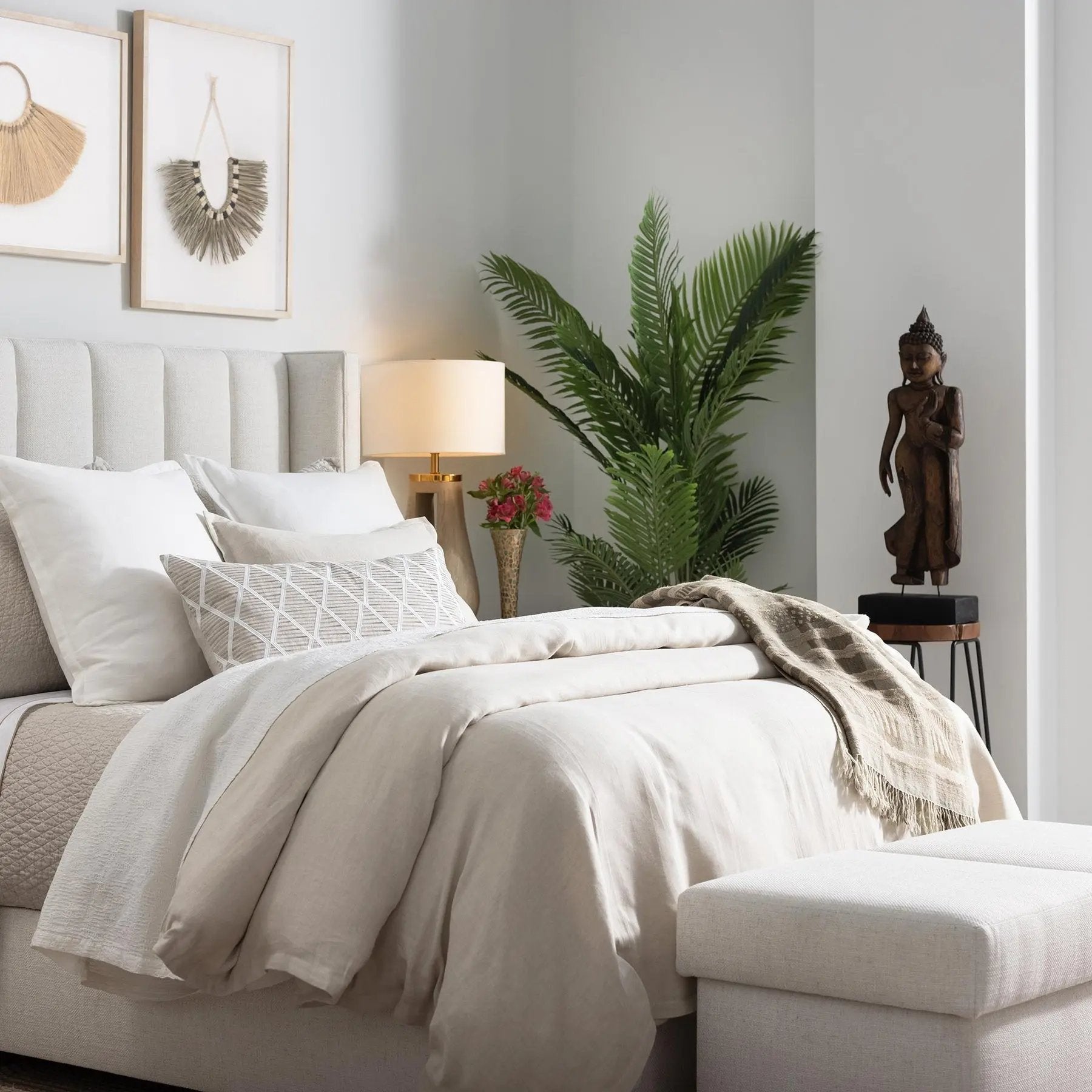
Thoughtful placement transforms throw pillows from simple accessories into stylish focal points. Common arrangements include pairing two larger pillows on the ends of a sofa with smaller pillows or lumbar cushions in front. Beds often benefit from a row of Euro pillows placed against the headboard, followed by standard and decorative pillows layered in front.
Symmetry offers a formal, orderly look, best suited for traditional settings, while asymmetry adds casual flair and dynamic energy often favored in contemporary or eclectic designs.
Spacing pillows evenly with small gaps provides breathing room, preventing overcrowding. Layering pillows by size and shape—from large squares at the back to smaller rectangles or rounds in front—creates depth and visual interest.
Adapt your arrangement to room size and furniture shape. Smaller rooms favor fewer pillows or scaled-down sizes to avoid overfilling, whereas large sectional sofas can accommodate multiple pillows of varied sizes and textures for both comfort and style.
Try the Trey Euro Border Pillow in coordinating color schemes to anchor your arrangement with heirloom-quality craftsmanship and sophisticated style.
How to Care for and Maintain Your Throw Pillows
Proper care extends the life and appearance of your throw pillows. Cleaning methods vary by fabric: machine-washable cotton and linen covers can be laundered regularly, while delicate silks, velvets, or indoor-outdoor jacquards may require spot cleaning or professional care.
To prevent color fading and fabric wear, avoid direct sunlight exposure and use upholstery-friendly cleaning products. Rotate and fluff your pillows weekly to maintain shape and fullness, keeping them inviting and plush.
Air out pillows occasionally to reduce moisture and odors. Replace pillows when they lose support or when fabrics show significant wear, ensuring your décor stays fresh and visually impactful.


Leave a comment
This site is protected by hCaptcha and the hCaptcha Privacy Policy and Terms of Service apply.